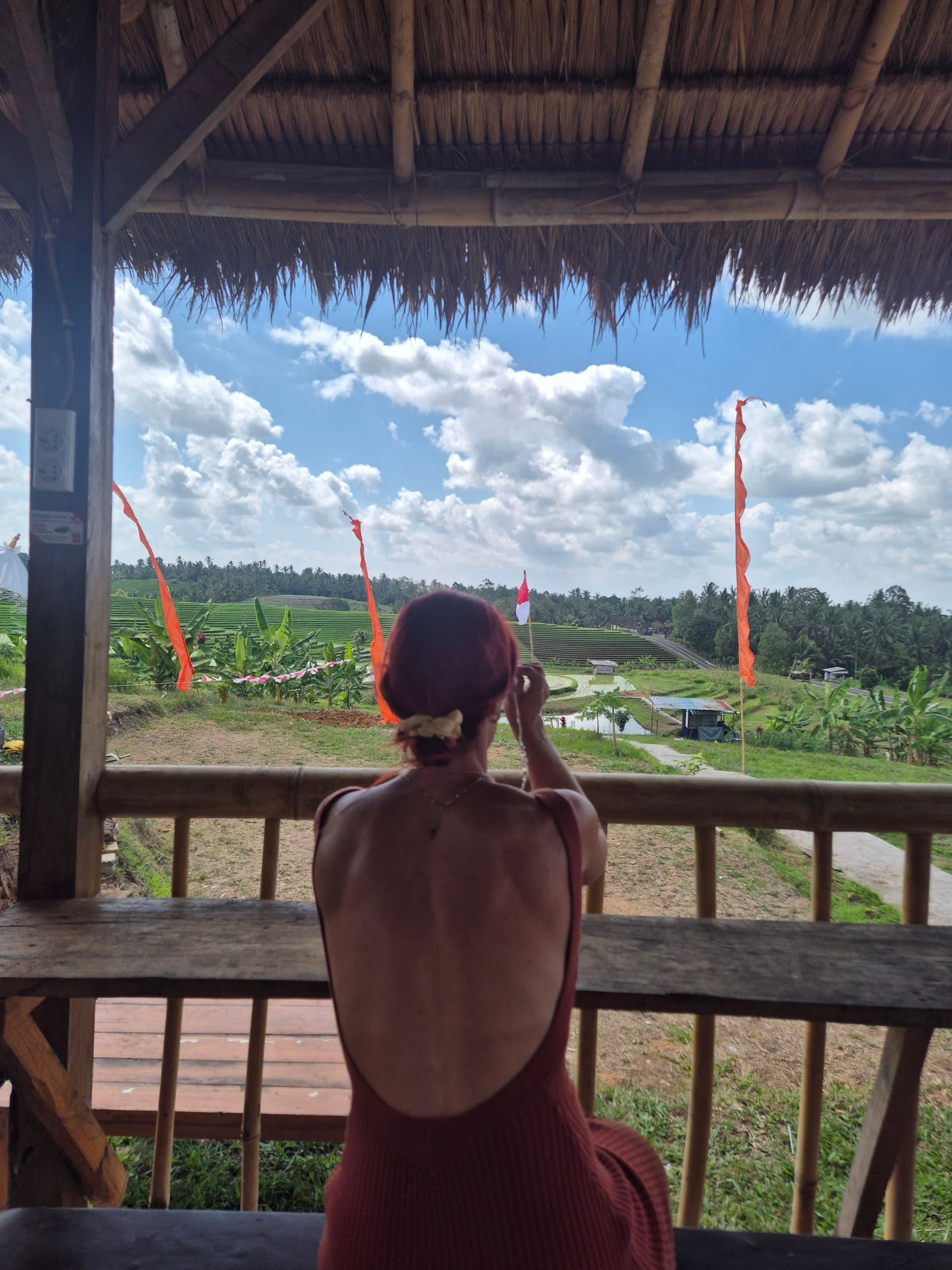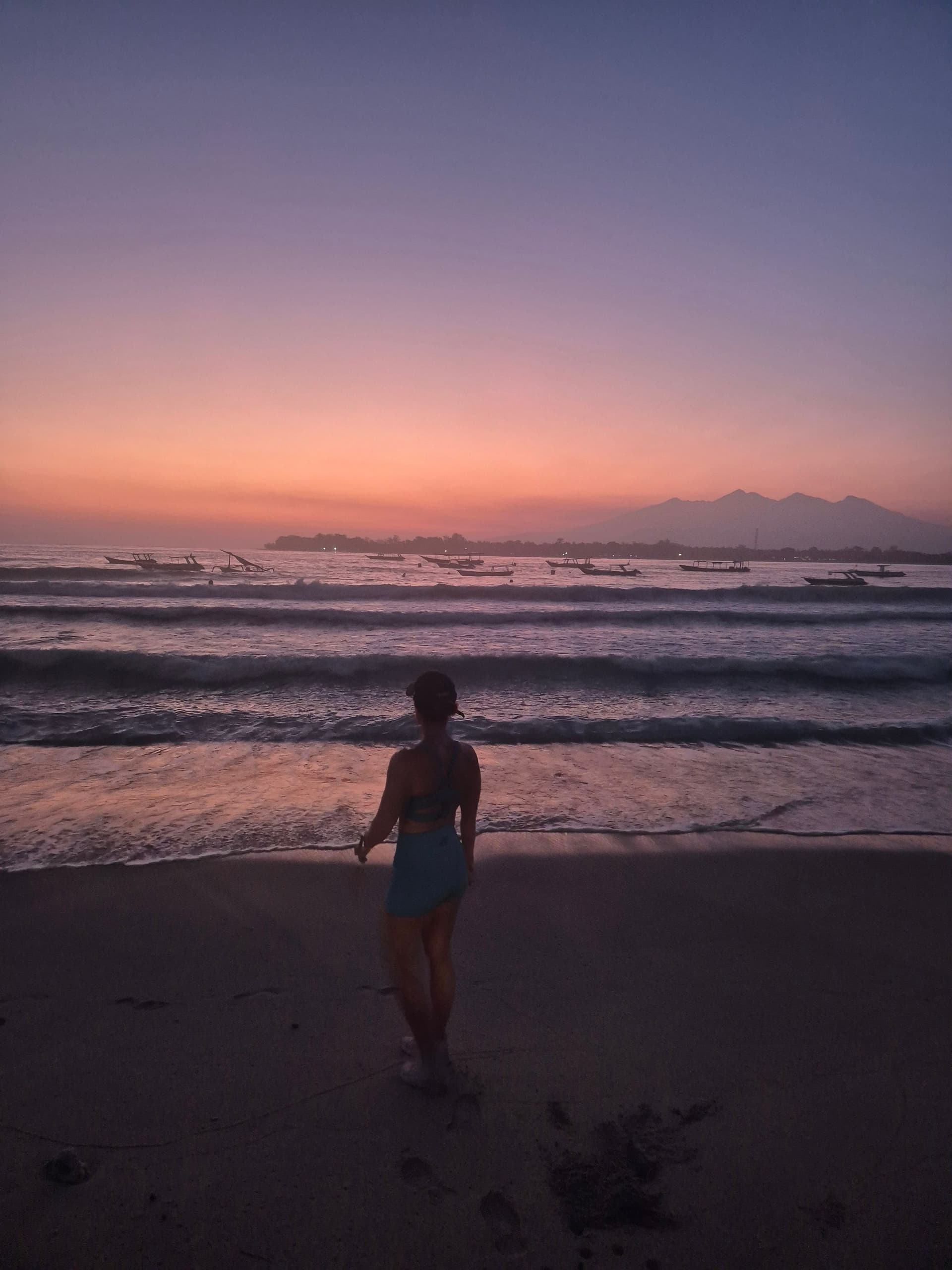
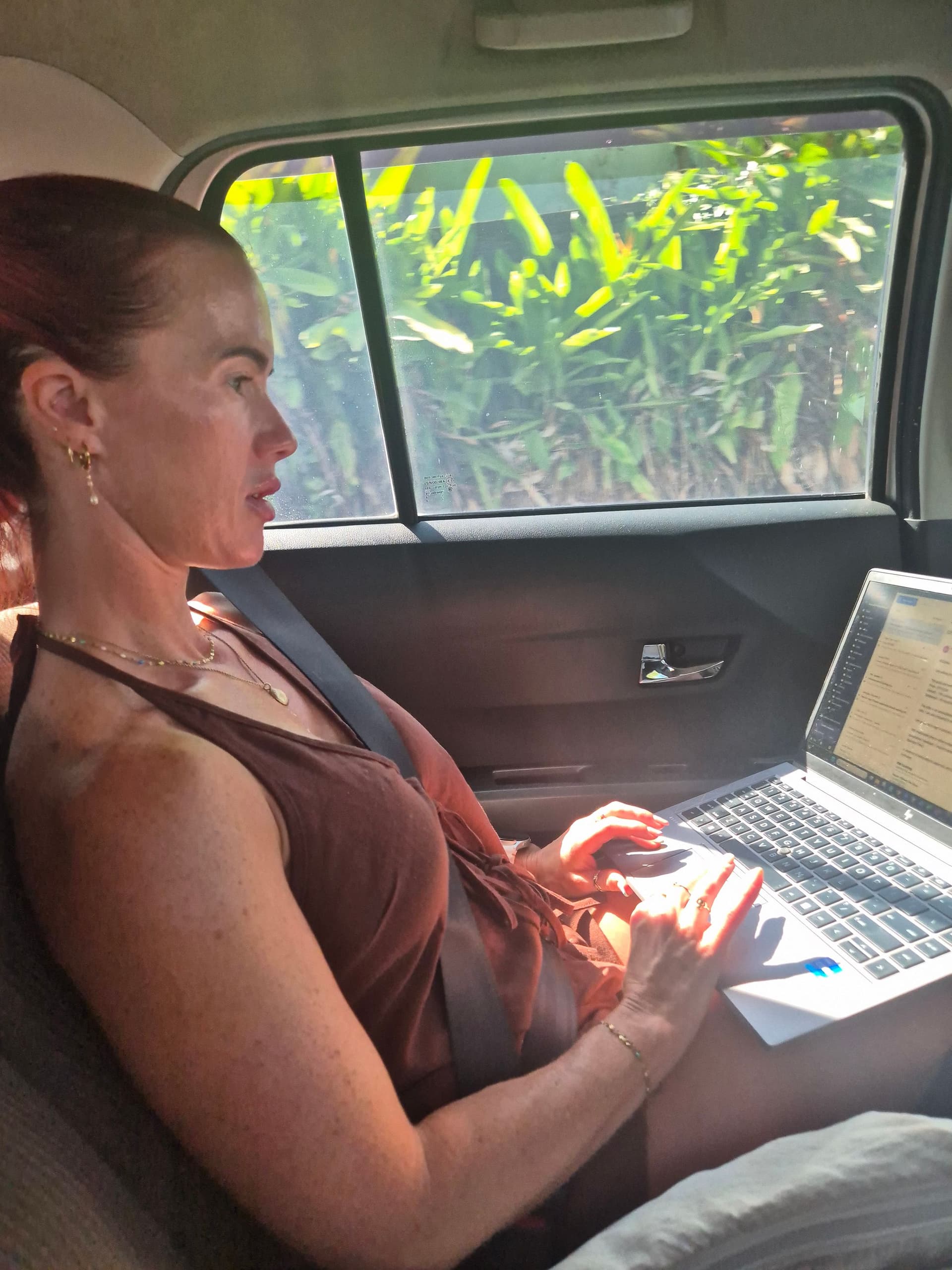
I spent the winter in Bali at a co-living, co-working space surrounded by founders, entrepreneurs, and digital nomads all building something. The energy was electric. More importantly, it taught me something about how we should be structuring our work lives and why most of us are getting it wrong.
I've been thinking a lot about story lately. Recently, I've been working with Matt Jones – a co-founder of Four Pillars Gin and now host of the StoryWork podcast – on his brand evolution and media strategy. His whole project is about the power of story in shaping how people see you, your work, and what you're building. As I’ve been positioning him as a thought leader on story and business growth, I realised that I've been so focused on telling other people's stories that I haven't been paying attention to my own (typical PR to be honest, always on the backburner).
Bali is a chapter in my story.
So many of my “colleagues” at the co-living space were running a business. One was building an e-commerce platform for a backpack brand launch. Another was developing AI agents for a startup (and then me). A third was scaling a content creation business. So many more were writing books. And me, I was working on client projects, thinking through strategic direction for Little Big Deal, and brainstorming ideas that had been gathering dust literally and figuratively.
What made the difference for me was the ecosystem. Founders were sitting next to founders. If you hit a problem, there were five people at the pool who'd solve it before lunch. If you needed feedback on a deck, a book blurb, or a positioning statement, you didn't have to email, you just asked over dinner. The collaboration was organic, constant, and utterly free of the hierarchy and formality that strangles creativity in traditional offices.
But here's what really struck me: everyone was alive. Not in a holiday/vacation sense – in a creative, energised, genuinely-excited-about-their-work sense.
Is WFH part of the problem?
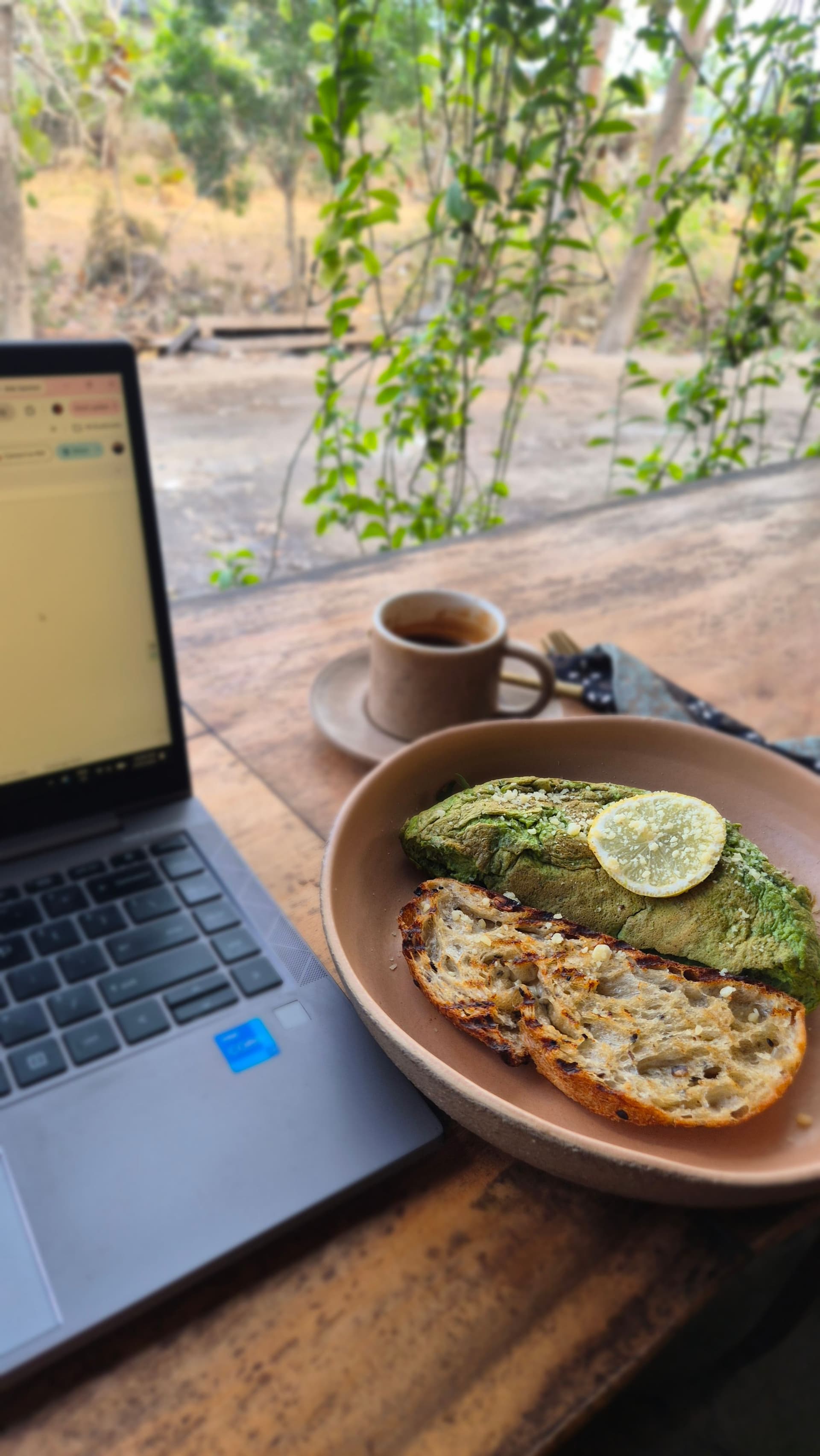
I'm a work-from-home advocate. I have been for years. The flexibility, the lack of commute, the ability to control your environment, I love it.. But I've been fooling myself about one thing: isolation is not the same as focus.
Working alone at home is efficient. It's productive. You can batch tasks, minimise distractions, and get a lot done. But efficiency and creativity are not the same thing. Creative work – the kind that solves problems, builds strategy, generates ideas – doesn't thrive in isolation. It thrives in friction. In conversation. In overhearing someone's problem and suddenly having an idea that applies to your own work. In the casual cross-pollination of thinking that happens when you're in a room with other people building things.
The co-working space in Bali wasn't fancy, but it was perfect and filled with people who actually cared about their work. And that was enough. Because creativity doesn't need luxury. It needs permission to wander, collide with other ideas, and be refined through conversation.
The real bottleneck is mental real estate
Your brain has limited bandwidth and most of us are wasting it on things that distract us.
In Bali, housekeeping was handled. Laundry was collected and returned. Meals were accessible (almost every gym offers macro meals for around $6.50AUD per meal, delivered to your desk). I didn't have a single admin task that required my attention. My calendar was empty. My mind was completely, utterly free to focus on work, or on nothing, which sometimes is what creativity needs.
Back in Melbourne, I'm managing my own household, thinking about what's for dinner, remembering to do laundry, booking appointments AND I have a side hustle that requires choreography and lots of travel. These aren't big things individually. But collectively, they fragment the brain. They pull your attention away from meaningful work.
The entrepreneurs in Bali had figured this out. They outsource everything that doesn’t require their expertise. Not because they are lazy, but because they understood that their brain was their greatest asset. And they weren't going to waste their precious resources on housekeeping.
“Your brain has limited bandwidth and most of us are wasting it on things that distract us.”
Where AI should actually go
I don't want an AI to write my client briefs or develop strategy. I want the machines to do the laundry; to buy and cook my food; to sweep the yard and clear the gutters; to handle the thousand micro-decisions that consume mental energy every single day so my brain stays free to do what it's actually good at: thinking, creating, solving problems.
The irony is that automating admin work would unlock more creativity, not less. We'd all be more innovative, more strategic, and more human if we simply stopped wasting our best thinking on things machines are actually designed to do.
Answers I didn’t know I needed
That's what Bali taught me – that protecting your mental bandwidth and surrounding yourself with people who are doing the same might be the most underrated competitive advantage we have.
I'm learning that the story we tell about ourselves shapes how we work, who we attract, and what we build. I'm learning it by actually living it. And right now, my story is about what happens when you stop optimising for efficiency and start creating space for creativity.